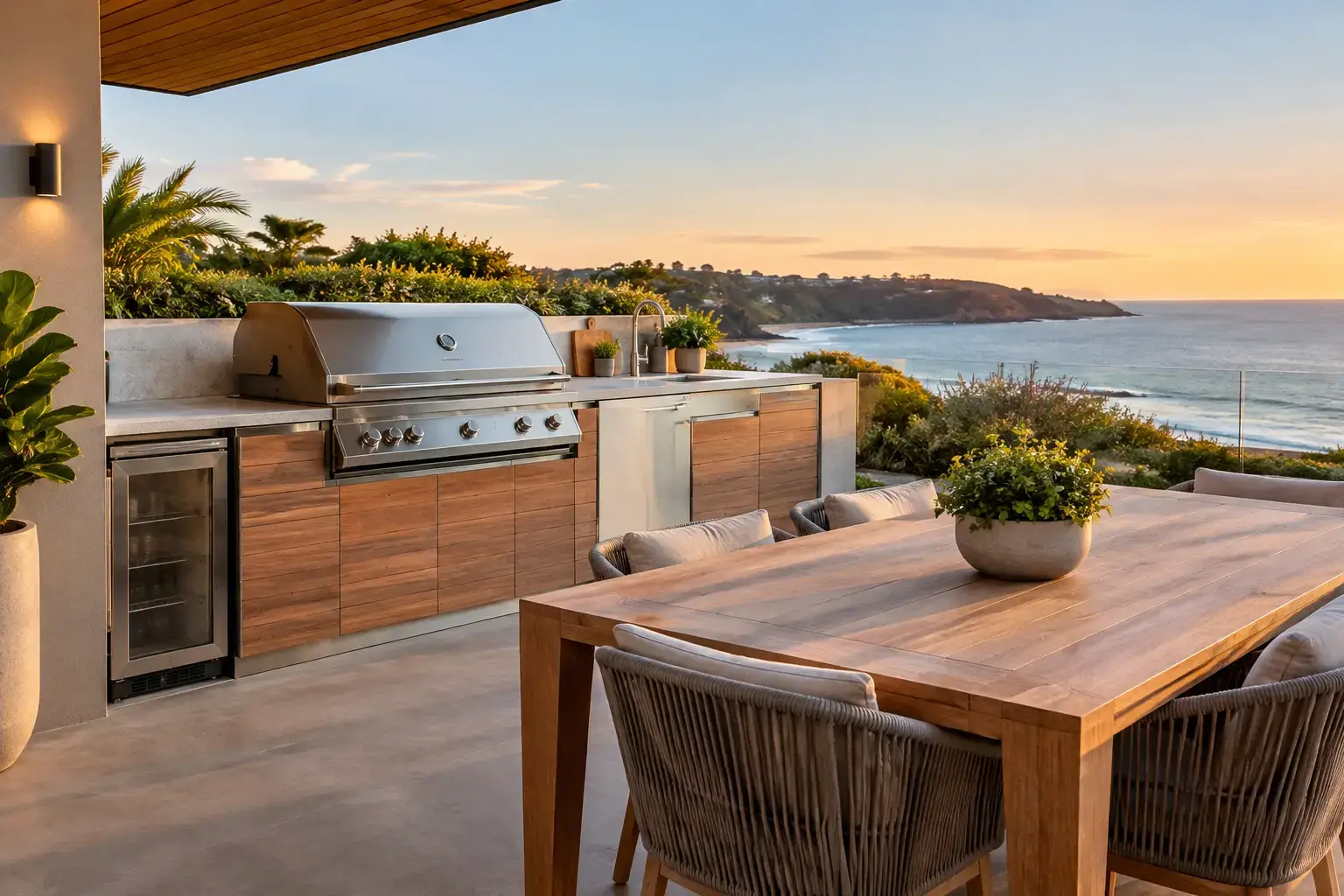
A great outdoor kitchen changes the way a backyard gets used. The best outdoor kitchen design ideas Australian homeowners can borrow are not about squeezing every appliance onto one benchtop. They are about creating a place where cooking feels easy, guests can gather comfortably and the space stands up to sun, rain, humidity and long summer afternoons.
For homes across the Northern Rivers, an outdoor kitchen needs to work hard. It might host a quick weeknight barbecue, a birthday lunch for the whole family or pizzas after a day at the beach. Start with how you genuinely like to entertain, then build the layout, cooking equipment and shelter around that.
Start with the cooking experience
The cooking appliance should shape the kitchen, not be an afterthought. A built-in gas barbecue suits households that want reliable, responsive cooking for everything from steaks to vegetables. It is a natural centrepiece for relaxed family meals and larger get-togethers.
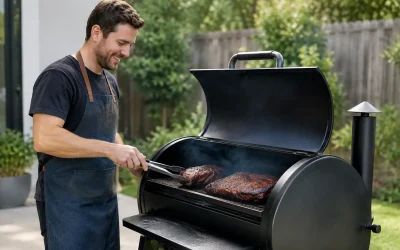
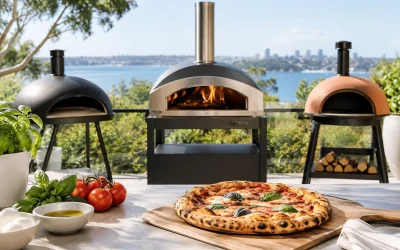
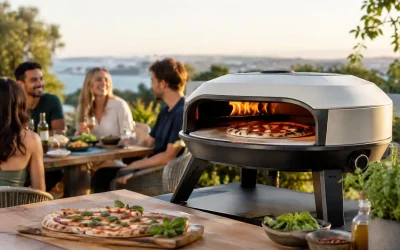
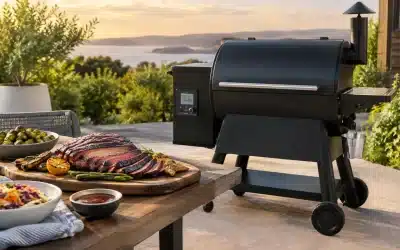
If low-and-slow smoking is part of the plan, allow room for a pellet grill or smoker such as a Traeger. These units need practical clearance, a nearby power point and space to open lids and handle food safely. For people who love restaurant-style pizza at home, a dedicated Gozney pizza oven creates a different kind of outdoor cooking zone – one built around dough prep, fire, theatre and sharing slices straight from the peel.
You do not need every option. A barbecue and pizza oven can be a brilliant pairing for frequent entertainers, but in a compact courtyard, one excellent cooker with generous bench space will often deliver a better result than a crowded line-up of appliances.
Outdoor kitchen design ideas for Australian conditions
Australian outdoor areas are exposed to far more than a little sunshine. In coastal communities, salt air, wind-driven rain and humidity can be as influential as heat. Choose materials and fixtures for the conditions around your home, especially if you are close to the coast or have an uncovered, west-facing patio.
Marine-grade stainless steel is a strong option for cabinetry, sinks and barbecue surrounds because it is durable and straightforward to clean. Powder-coated aluminium cabinetry can also suit a modern outdoor setting, provided the finish is high quality and appropriate for the location. Avoid treating an outdoor kitchen exactly like an indoor one – moisture-sensitive cabinetry, ordinary hardware and poorly protected timber can age quickly.
Stone or porcelain benchtops bring a polished finish and give you a stable surface for serving and preparation. The right choice depends on the level of shelter. Natural stone has character but needs appropriate sealing and maintenance. Porcelain is hard-wearing and handles heat well, while sintered stone offers another premium option for busy outdoor spaces.
A roof, pergola or well-designed umbrella can make the difference between an outdoor kitchen that looks good and one that gets used. Cover the working zone where possible, but keep enough ventilation around barbecues, smokers and pizza ovens. Heat, smoke and flame need clearances that match the manufacturer’s instructions, so plan these details before cabinetry is installed.
Plan a layout that keeps the host involved
The most enjoyable outdoor kitchens let the cook stay part of the conversation. That usually means positioning the barbecue or oven towards the dining and lounge area rather than facing a wall at the edge of the yard.
For a larger entertaining area, an L-shaped or U-shaped kitchen creates distinct zones for cooking, preparation and serving. It can also provide a natural gathering point, particularly when one side becomes a breakfast bar with stools. Leave enough room behind the cook for people to move through without constantly crossing the hot zone.
A straight-line kitchen works beautifully along a boundary wall, under a covered verandah or beside a pool. It is often the most efficient choice for narrow spaces. Place the barbecue near the main preparation bench, keep the sink within easy reach and reserve a landing area beside the cooker for trays, utensils and hot dishes.
In a small courtyard, think vertically as well as horizontally. Wall-mounted shelving, compact storage and a mobile prep trolley can provide function without making the space feel closed in. The goal is not a full indoor kitchen outdoors. It is a well-considered place to cook exceptional food with less back-and-forth to the house.
Include the practical features people notice later
Bench space is one of the first things homeowners wish they had added. Allow a clear preparation area near the cooking appliance and another surface where cooked food can be rested or served. Even a modest extra length of benchtop can make a big difference on a busy afternoon.
A sink is worthwhile when plumbing is practical. It makes washing hands, rinsing produce and cleaning up far easier, particularly if the outdoor kitchen is away from the house. Pair it with weather-resistant storage for cooking tools, plates and cleaning products, so the essentials are close at hand.
Refrigeration is another feature to consider early. An outdoor-rated bar fridge keeps drinks and ingredients nearby, but it must have adequate ventilation and a protected location. Standard indoor fridges are not designed for heat, damp air or changing outdoor temperatures.
Good lighting extends the space beyond sunset. Task lighting over the barbecue and benchtop helps with safe cooking, while warmer ambient lighting around the dining setting makes guests want to linger. Choose fittings rated for outdoor use, and make sure switches and power points are located where they will be genuinely useful.
Make comfort part of the design
Cooking is only half the experience. The best outdoor kitchen has a comfortable place to sit, eat and relax. Match the size of your dining setting to how you entertain most often, rather than buying for the once-a-year crowd. A six-seat table may be ideal for everyday family meals, with extra occasional seating stored nearby for bigger celebrations.
For a more relaxed arrangement, place lounge seating within sight of the cooking zone and include a coffee table that can handle grazing platters and drinks. Outdoor furniture should be chosen for its frame, fabric and finish, not simply its appearance on the showroom floor. In the Northern Rivers, all-weather materials and quick-drying cushions earn their place.
Shade deserves just as much attention as seating. A well-positioned umbrella can protect a dining area from harsh afternoon sun, while a roofed structure provides more dependable cover in wet weather. It depends on your site, budget and local approvals, but the aim is consistent: create a space people can use comfortably across more of the year.
Add warmth for evenings without crowding the space
Cooler nights should not signal the end of outdoor entertaining. An outdoor heater can make a covered patio or dining area far more inviting through autumn and winter. The right model depends on the level of enclosure, available fuel, ceiling height and where people sit.
Keep heaters out of walkways and away from umbrellas, furniture and other combustible materials. If your kitchen includes a pizza oven or fire feature, think carefully about where heat will already be concentrated. One well-positioned source of warmth is usually more comfortable than several appliances competing for the same space.
Get the details right before installation
An outdoor kitchen is a considered home investment, so bring in qualified trades for gas, electrical and plumbing work. Check local council requirements, particularly for roofs, structures, drainage and proximity to boundaries. Manufacturer clearances are essential for barbecues, pizza ovens, rangehoods and heaters – they are not a detail to solve once everything has been built.
Before committing to a final plan, stand in the area at different times of day. Notice where rain enters, where the western sun lands and how guests naturally move from the house to the yard. Mark out cabinetry with tape or cardboard boxes. It is a simple exercise that can reveal a tight walkway or missing bench before construction begins.
A well-planned outdoor kitchen does more than add another appliance to the patio. It gives family and friends a reason to stay outside a little longer, sharing good food in a space made for the way you live. For hands-on inspiration, seeing barbecues, pizza ovens, furniture and heating solutions together at Ballina Heating and Outdoor Leisure can help turn a good idea into a backyard you will use for years.