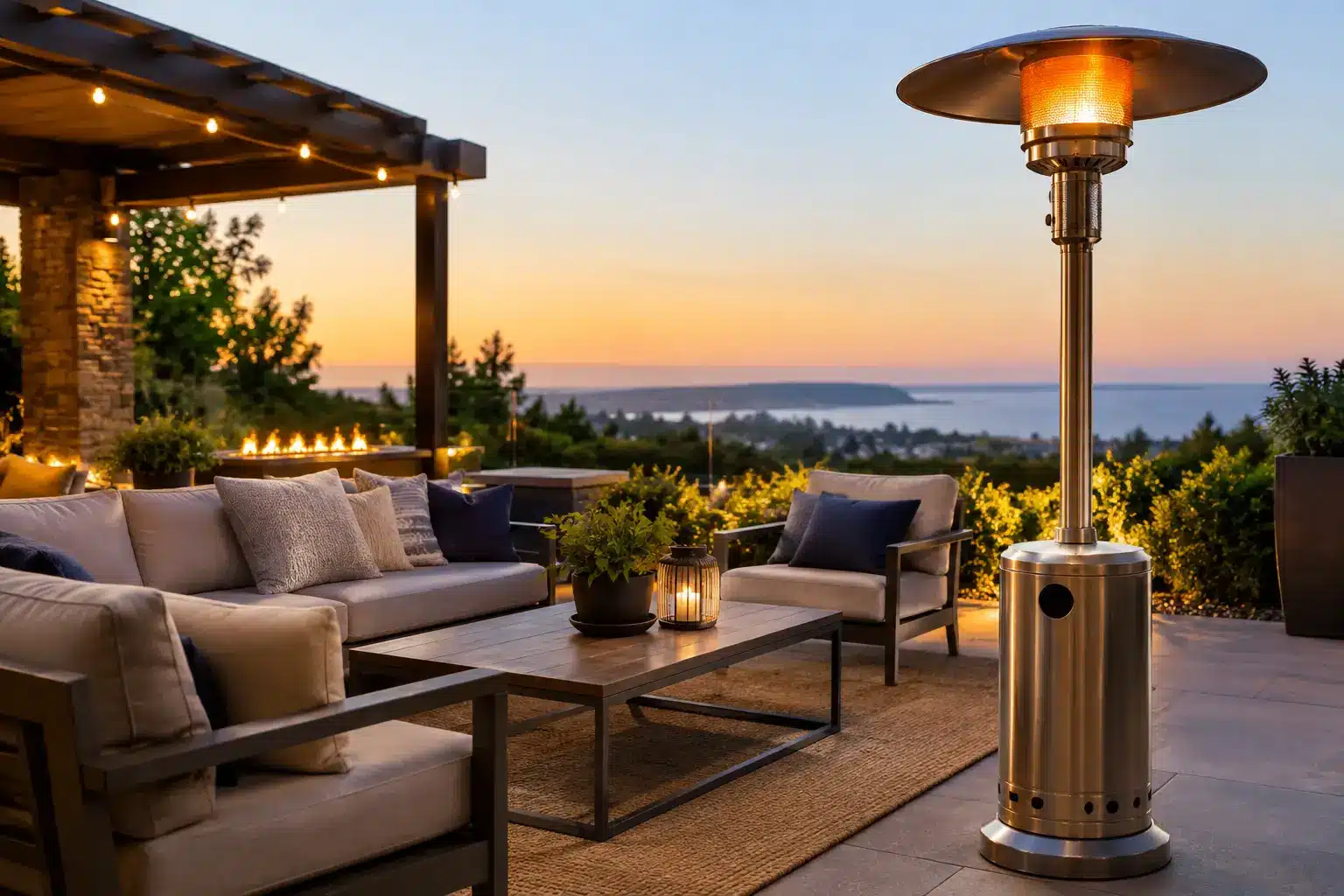
A great outdoor area should not empty the moment the temperature drops. The right outdoor heaters for entertaining areas can keep dinner going, make a winter barbecue feel inviting and turn a breezy deck into the place everyone wants to gather. For homes across Ballina and the Northern Rivers, the best choice is rarely just about heat output. It is about how your space is used, where the wind comes from and the kind of entertaining you enjoy most.
Whether you are setting up a relaxed spot for family meals, a poolside lounge or a fully equipped outdoor kitchen, a heater can make the area feel more complete. The key is choosing one that suits the zone rather than simply choosing the biggest model on the floor.
Start with the way you entertain
Think about where people naturally sit once food is served. Some outdoor areas are built around a long dining table, where guests stay in one place for hours. Others are more social and flexible, with lounges, stools around the barbecue and people moving between the pizza oven, drinks fridge and outdoor table.
A freestanding gas heater is often a practical choice for larger, open spaces. It delivers strong radiant warmth, can be moved when the furniture layout changes and suits households that want to heat a broad gathering area. It is particularly useful when a deck, patio or paved area is not enclosed on every side.
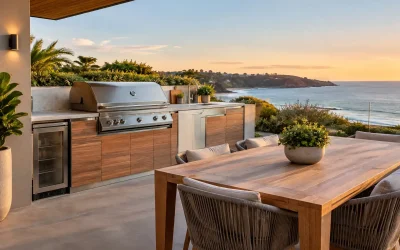
For a covered alfresco with a fixed dining setting, ceiling-mounted or wall-mounted electric heating may be the neater answer. These units do not take up valuable floor space, and they can be positioned to direct heat over the table or lounge zone. They also offer a clean, understated look that works well in contemporary builds and renovated entertaining areas.
Portable electric heaters can suit smaller protected spaces or occasional use. They are simple to position and operate, but they generally do not have the reach of a larger gas unit in a wide, exposed backyard. Matching the heater to the size and openness of the area matters more than choosing a fuel type on looks alone.
Outdoor heaters for entertaining areas need protection from wind
Northern Rivers homes enjoy plenty of beautiful outdoor weather, but coastal breezes can make an otherwise mild evening feel surprisingly cool. Wind also changes how effectively a heater performs. If warmth is continually being blown away, even a powerful unit may feel underwhelming.
Before choosing a heater, spend time in the area at the hour you are most likely to use it. Notice whether the breeze arrives from the garden, across the pool or through an open side of the patio. A solid wall, privacy screen, outdoor blind or established planting can help make the space more comfortable, provided it is planned safely and does not interfere with heater clearances.
Radiant heaters are especially useful outdoors because they warm people and nearby surfaces directly, rather than trying to heat all the air around them. This makes them a sensible option for semi-open entertaining spaces. In a very exposed area, it can be better to create a few warm zones with well-positioned heaters than rely on one unit to cover the whole yard.
Choose between gas and electric with your layout in mind
Gas and electric outdoor heating both have a place in Australian backyards. The right option depends on your available services, the design of the space and how much flexibility you need.
Gas heaters are popular for generous patios and open-air entertaining. A freestanding model gives you mobility and powerful heat, which is ideal when you want to rearrange furniture for a birthday lunch, big family Christmas or weekend barbecue. Bottle storage and safe placement need to be considered, and the heater must always be used in a suitably ventilated outdoor setting.
Electric heaters are an excellent fit for covered outdoor rooms, balconies and more permanent entertaining areas. They are quiet, efficient at the point of use and easy to switch on when friends arrive. Fixed electric heating should be selected and installed with the help of a qualified professional, especially where mounting height, wiring and weather exposure are involved.
There is also a style consideration. A tall gas heater can become a familiar feature beside the dining area, while a slimline electric unit may blend into a ceiling or wall with minimal visual interruption. Neither approach is automatically better. It comes down to whether you want flexibility, discreet integration or a combination of both.
Size the heater for the zone, not the whole backyard
One of the most common mistakes is expecting a single heater to warm every corner of a large outdoor area. Outdoor heating works best when it is planned around the places people sit and stand.
Measure the dining area, the lounge setting and any cooking zone separately. A heater that performs beautifully over a six-seat table may not reach the outdoor sofa several metres away. If both zones are used regularly, two smaller heaters can provide a more comfortable result than one oversized unit placed too far away.
Ceiling height is just as important in covered spaces. A heater mounted too high may lose its effect before warmth reaches your guests, while one positioned too low can create clearance and comfort issues. Consider table height, the location of umbrellas, ceiling fans, beams and doors, then follow the manufacturer’s installation requirements carefully.
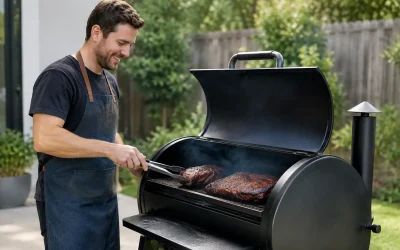
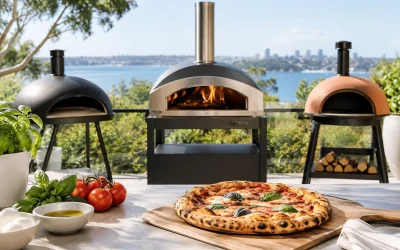
If your entertaining area includes an outdoor kitchen, keep the cooking zone in mind. A barbecue, smoker or pizza oven already creates activity and warmth, but guests often gather just beyond it while food is being prepared. Heating this waiting area can make the whole experience more relaxed, especially on a cool evening when everyone is keen to stay close to the action.
Safety and clearances are part of good design
Outdoor heaters should feel effortless to use, but their position deserves careful planning. Keep them clear of furniture, umbrellas, curtains, outdoor blinds, plants and anything that could be affected by heat. Freestanding heaters need stable, level ground where they cannot be bumped easily by children, pets or a busy crowd carrying plates and drinks.
Do not treat a heater as an indoor appliance moved outside for the night. Choose a product designed for outdoor conditions and use it exactly as intended. Gas heaters require ventilation and correct gas bottle handling. Electric models need suitable weather-rated components and professional installation where required.
It is also worth thinking about the heater when the area is not in use. A quality cover, sensible storage and regular cleaning can help protect your investment from salt air, rain and dust. For coastal homes, durable finishes and recognised brands are particularly worthwhile because outdoor products work hard year-round.
Make warmth part of the whole outdoor setting
The most welcoming entertaining areas are not built around one product. They bring together heat, comfortable seating, good lighting and somewhere to prepare food. A heater becomes far more effective when guests have a sheltered lounge, a dining setting that suits long meals and enough light to move safely once the sun has gone down.
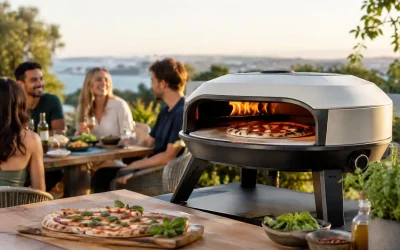
Consider the mood you want to create. For casual pizza nights, a heater near the lounge gives people a place to settle while the oven reaches temperature. For a formal alfresco dining area, overhead electric heating can keep the table comfortable without taking attention away from the meal. Around a barbecue or smoker, a portable gas heater can add flexibility when the crowd is bigger than usual.
At Ballina Heating and Outdoor Leisure, seeing heaters in person can make the decision much easier. You can compare the scale of different models, picture how they will sit beside your furniture and get practical guidance for your particular outdoor area.
The best outdoor heater is the one that makes your guests forget they were considering heading inside. Plan for the seats people choose first, the breezes you know too well and the evenings you want to stretch a little longer.