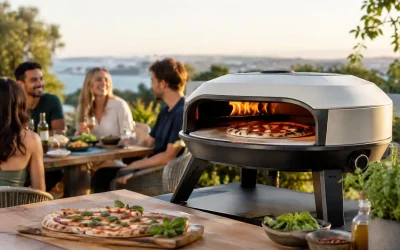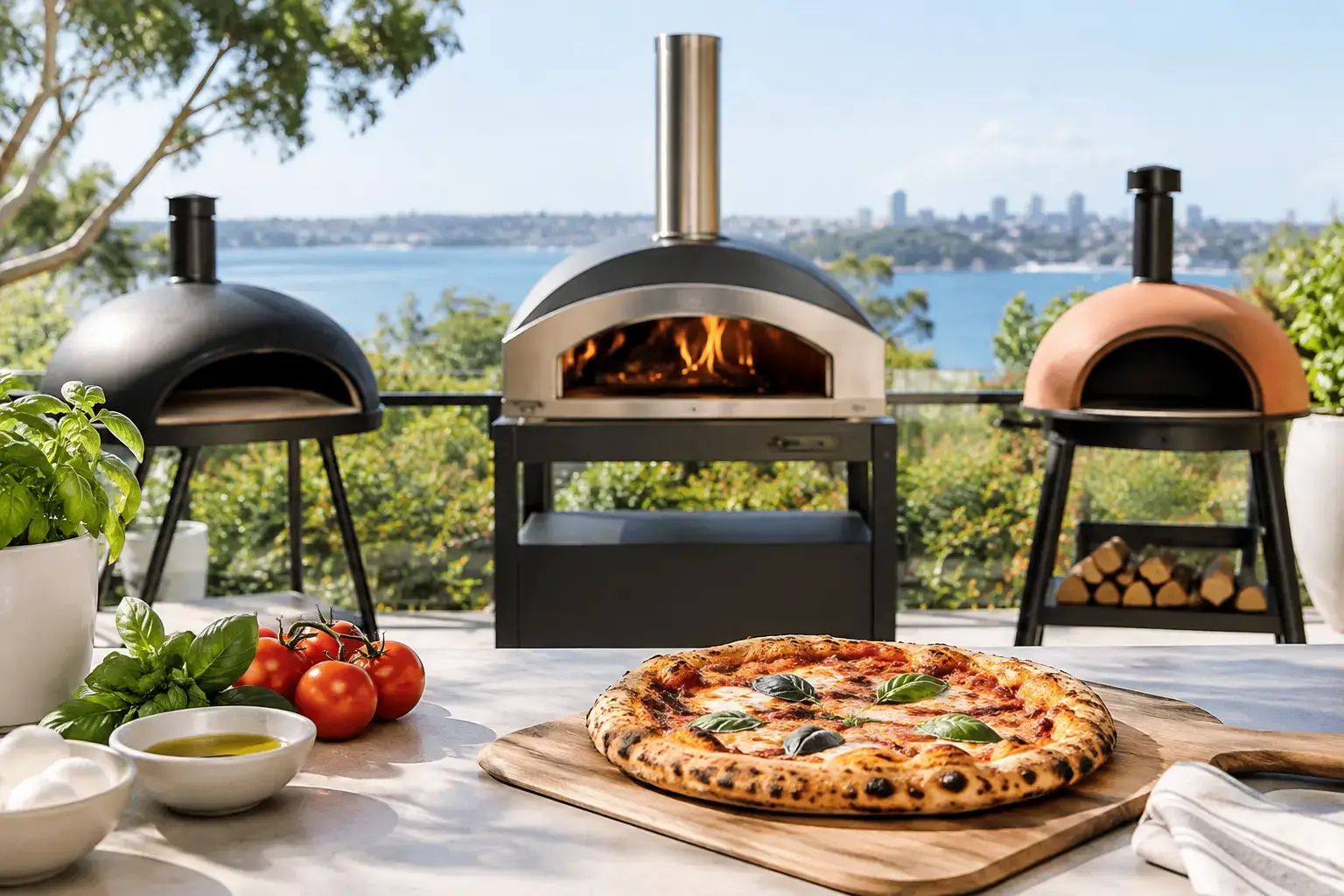
A great pizza oven changes the rhythm of a backyard gathering. Dough is stretched, toppings are passed around, and everyone gathers close as each pizza cooks in minutes. This pizza oven buying guide Australia is designed to help you choose an oven that suits your space, your cooking style and the way you like to entertain.
The best oven is not always the hottest or the largest. It is the one you will be pleased to fire up on a Friday night, for a family lunch or when friends arrive with a bottle of wine and an appetite. Start with how you want to use it, then match the fuel, size and design to your outdoor area.
Start with the way you want to cook
If you love the theatre of building a fire, managing the flame and cooking with a little woodsmoke flavour, a wood-fired pizza oven can be a rewarding choice. It is a hands-on experience, and once the oven is hot, it can cook more than pizza. Think roasted vegetables, charred flatbreads, baked fish and slow-cooked dishes as the temperature drops.
The trade-off is time. Wood-fired ovens need a proper preheat, dry seasoned timber and a little practice to manage the fire and cooking floor. They are ideal for cooks who enjoy the process as much as the meal.
Gas pizza ovens are often the easy answer for busy households. Turn the burner on, let the stone heat up and you can be cooking restaurant-style pizza without lighting or tending a fire. Temperature control is more straightforward, clean-up is simpler, and a gas oven is easy to use for a quick midweek dinner.
Multi-fuel ovens offer flexibility for households that want gas convenience but also enjoy wood-fired cooking on weekends. Electric models can also make sense where outdoor space is limited or an apartment-style set-up allows them, but always check the product requirements and your available power supply first.
Pizza oven buying guide Australia: choose the right size
Oven size affects far more than the diameter of your pizzas. A compact oven can be brilliant for couples, smaller courtyards and cooks who want to make one pizza at a time. It heats quickly, takes up less bench space and is easier to store if it is portable.
A larger oven gives you more room to turn pizzas, move food away from the flame and cook several items in sequence. It is a better fit for a family that regularly entertains or for anyone planning long lunches where pizzas keep coming. Bigger ovens also tend to have more thermal mass, which can be useful for roasting and baking after pizza night.
Before choosing, picture your usual crowd. Cooking two pizzas for the kids is very different from feeding ten adults over an evening. A larger cooking area is helpful for entertaining, but it may require more fuel, a longer preheat and a permanent location. There is no need to buy more oven than your lifestyle calls for.
Measure the cooking zone, not just the oven
A pizza oven needs a safe, practical home. Measure the benchtop, trolley or outdoor kitchen area where it will sit, then allow room for opening the door, turning pizzas and placing peels, trays and ingredients nearby. You will want a clear space to work, not just a spot where the oven physically fits.
For gas models, consider where the bottle will sit and how it will be connected without creating a trip hazard. For wood-fired models, think about where you will store timber so it stays dry and handy. If you are building the oven into an outdoor kitchen, confirm ventilation, clearances and installation requirements before the cabinetry is finalised.
Consider heat-up time and cooking temperature
High heat is what gives pizza its blistered crust, bubbling cheese and crisp base. Many quality pizza ovens reach temperatures well beyond a conventional kitchen oven, making Neapolitan-style pizzas possible in a matter of minutes.
But maximum temperature is only part of the story. Look for an oven that heats the stone evenly and holds heat well between pizzas. This matters when you are cooking for a group. An oven may produce a beautiful first pizza, but a good entertaining oven should recover temperature quickly as pizzas go in and out.
A built-in thermometer is useful, although the cooking stone itself can be hotter or cooler than the air inside the oven. An infrared thermometer is a worthwhile extra for keen pizza cooks because it tells you when the stone is ready. For many doughs, the right stone temperature is the difference between a crisp underside and a burnt base.
Think beyond pizza night
Pizza is the headline act, but a versatile oven earns its place in an outdoor area all year. A cast-iron pan can cook sizzling prawns, sausages or mushrooms. A roasting dish can handle chicken, lamb or baked vegetables. Lower residual heat is excellent for bread, desserts and slow-cooked meals.
If this broader cooking style appeals to you, look closely at the oven’s internal height, door design and available accessories. An oven that accommodates a skillet or roasting tray gives you more reasons to use it. It also makes a pizza oven feel less like a single-purpose purchase and more like a centrepiece for outdoor cooking.
Portable, benchtop or built-in?
Portable and benchtop ovens are popular because they offer impressive performance without committing to a full outdoor kitchen. They can sit on a suitable trolley or sturdy outdoor bench, and some models can travel to a holiday house, campsite or mate’s place. They are a smart choice when you are renovating, renting or still deciding where your outdoor area will take shape.
A built-in or larger freestanding oven creates a more permanent entertaining zone. It can become the focal point of a patio, pool area or outdoor kitchen, especially when paired with a BBQ, fridge and generous preparation space. This option suits homeowners building a long-term backyard, but planning is essential. Weight, weather protection, ventilation and suitable non-combustible surfaces all need consideration.
Coastal Northern Rivers conditions are another factor. Salt air, rain and strong sun can be tough on outdoor products. Choose materials designed for outdoor use, consider a fitted cover where appropriate, and place the oven where it is protected without compromising safe clearances or ventilation.
Do not overlook safety and local requirements
Pizza ovens produce serious heat, so placement matters. Keep the oven on a stable, heat-safe surface and follow the manufacturer’s clearance instructions exactly. Keep children and pets clear while cooking, and never leave a live fire or operating gas appliance unattended.
For a gas oven, use the correct regulator and hose supplied or specified for the appliance, inspect connections regularly and turn off the gas bottle after use. For a wood-fired oven, use dry, untreated hardwood and dispose of ash only once it has cooled completely.
If you are installing a permanent oven, adding a flue, enclosing an outdoor area or placing it close to boundaries, check relevant council, building and fire-safety requirements before work begins. Product instructions should always guide the installation.
Budget for the essentials
A pizza oven is only one part of the set-up. Allow room in the budget for a quality pizza peel, turning peel, infrared thermometer, cover, fuel or gas bottle, and a suitable trolley or bench if needed. A good dough box and prep area also make pizza night easier, particularly when several people are choosing toppings at once.
It can be tempting to focus only on the purchase price, but build quality, heat retention, reliable ignition and available accessories affect how enjoyable the oven is over years of use. Recognised brands such as Gozney offer options across different styles and sizes, making it easier to choose a model that fits both your cooking ambitions and your outdoor space.
The right pizza oven should make entertaining feel more relaxed, not more complicated. Visit Ballina Heating and Outdoor Leisure to see the size, finish and practical set-up in person, then choose the oven that makes you want to gather everyone outside and cook something memorable.